

Why do my allergies get worse at night?
It’s not uncommon to feel your allergies get worse at night. Airborne allergens, which trigger night time symptoms, can settle and concentrate in your bedroom during the day and are then released into the air as you get ready for bed at night2. These allergens can also be brought into the bedroom through open doors and windows or get carried in on your clothes.
To determine what might be causing your night time allergy symptoms—like an itchy throat, sneezing, runny nose, or itchy nose—think about where you might be encountering common allergens throughout your nightly routine.
Allergies at Night: Causes
Allergy symptoms often present themselves shortly after an allergen encounter. There are a few common triggers of night time allergy symptoms:

Dust Mites
Dust mites, which are often found in house dust, are microscopic creatures that thrive in warm, humid environments. These mites are the most common cause of indoor allergies3. Bedding, carpets, upholstered furniture and other common bedroom fixtures make the perfect hiding place for them.

House Dust
House dust usually contains tiny particles of indoor and outdoor allergens, including pollen, cleaning detergents, material fibers and dead skin cells that attract dust mites4.

Pet Dander
Pet dander is made up of tiny flakes of skin that are shed by animals5. Even if you don’t allow your pets in the bedroom, dander can still come in on your clothes or through the air.

Pollen
Pollen is a fine powder of particles released by plants, which can enter your bedroom through open windows or stick to your skin, hair and clothes.

Mold spores
Mold spores are tiny particles that are produced by mold, but float in the air like pollen. Mold can grow in damp areas of your home, such as bathrooms and kitchens, and its spores are a common cause of indoor allergies, particularly during the winter.
Allergies at Night: Symptoms
Night time allergies can not only be frustrating at the end of the day, they can also disrupt your sleep and overall health6.
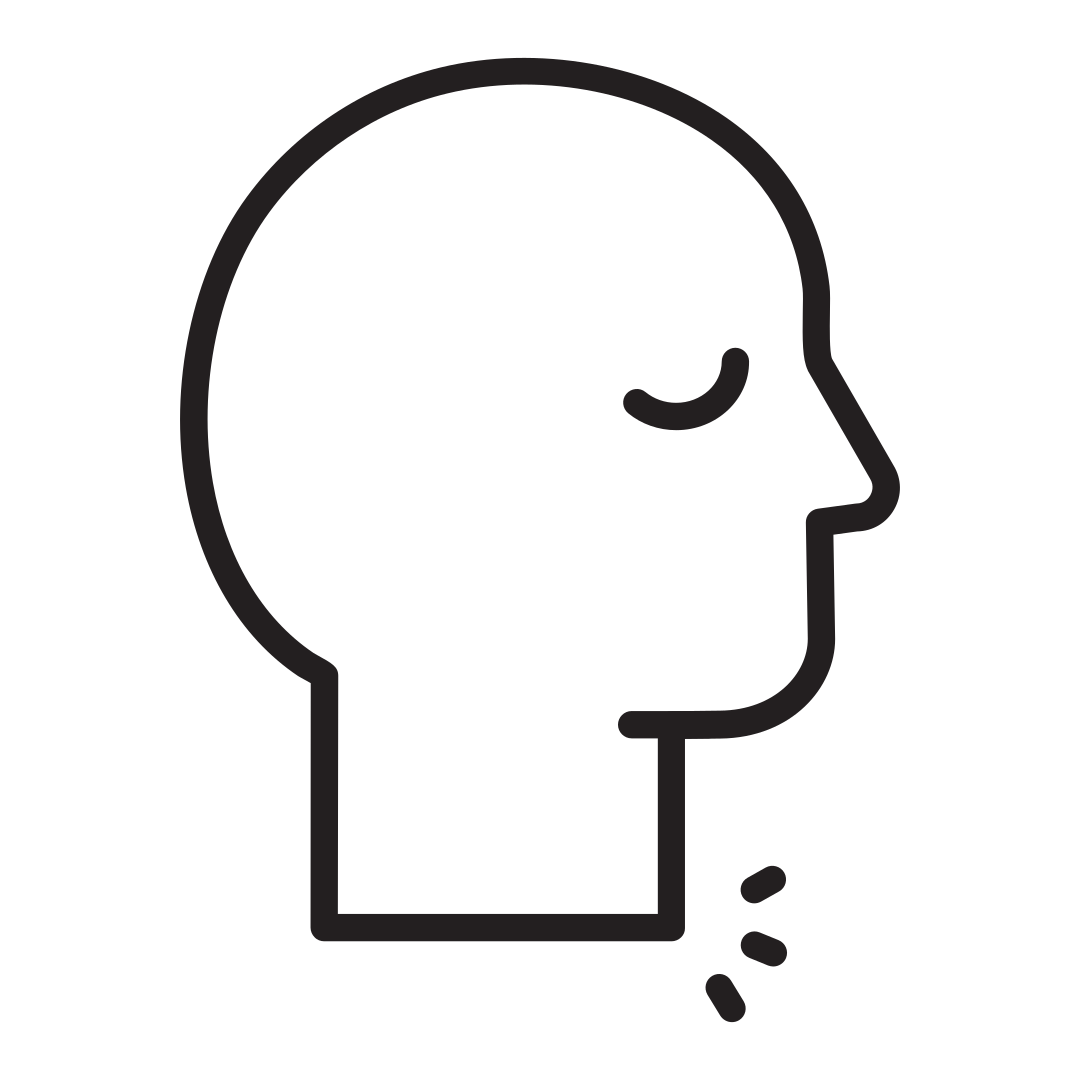
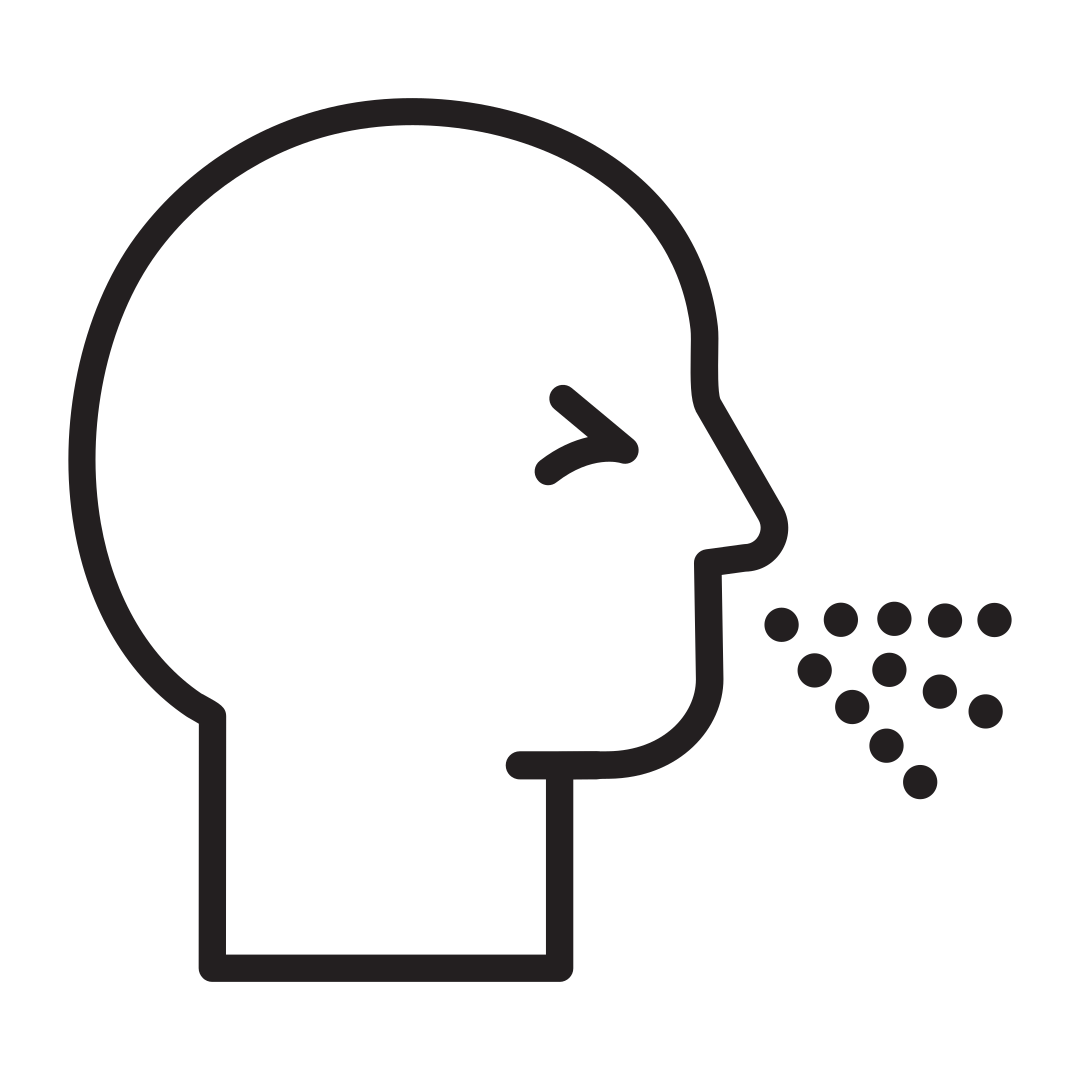
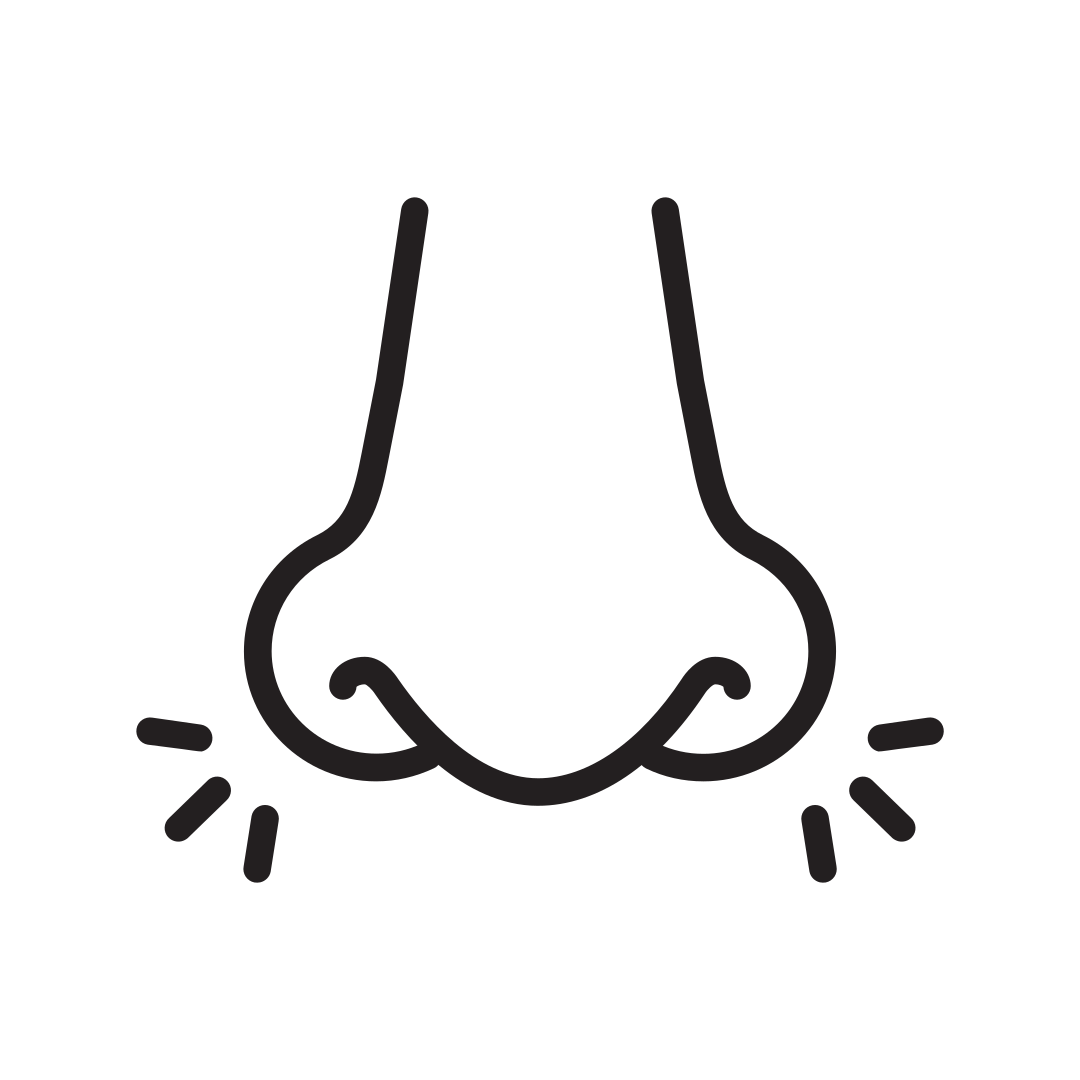
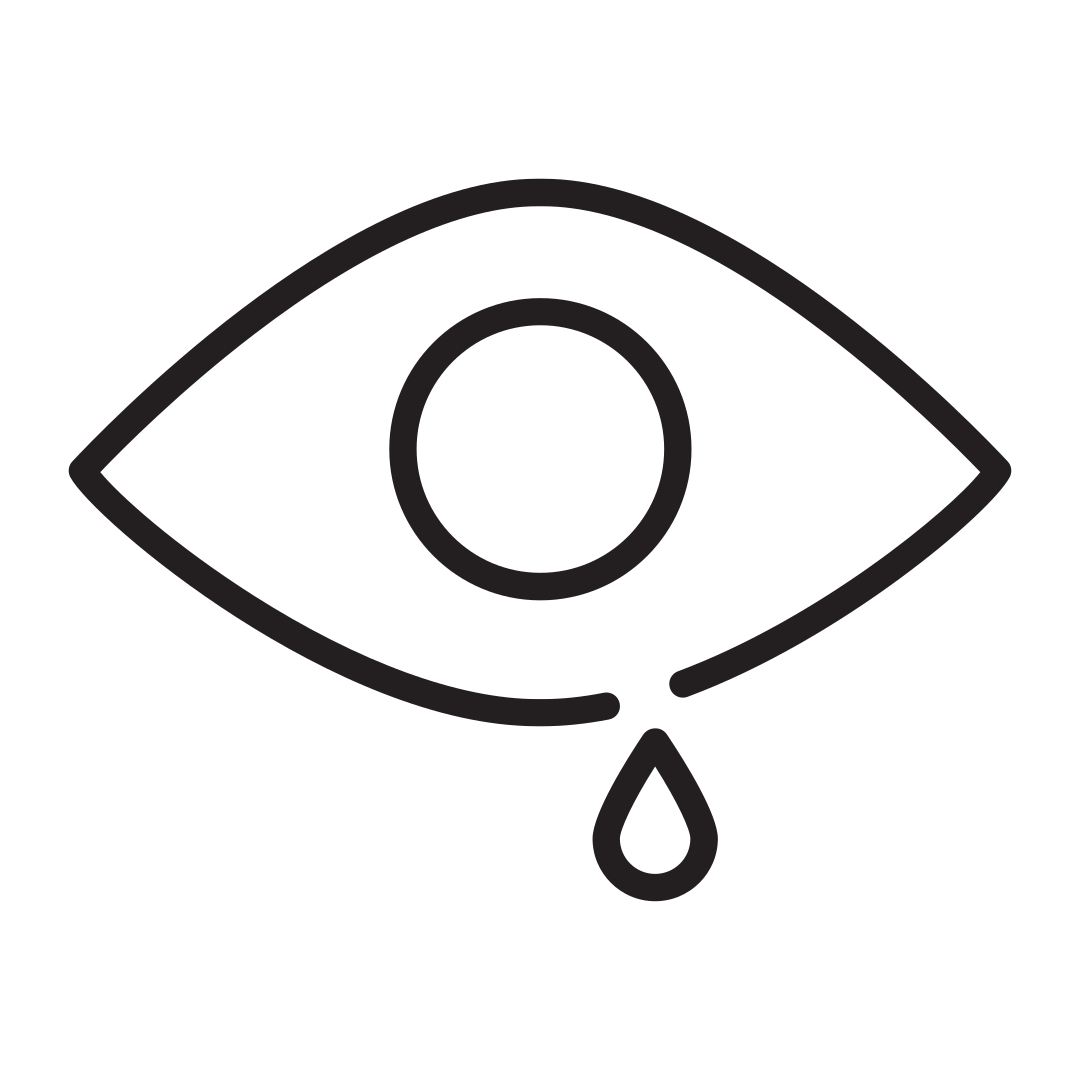
Common night time allergy symptoms include:


Managing and Preventing Night Time Allergies
If your allergies get worse at night, there are things you can do to reduce your exposure to allergens and manage your symptoms.
Focus Your Cleaning
Dust and vacuum regularly, but try not to clean just before bed, as it can release unwanted allergens into the air. Wash your bedding in hot water once a week to kill dust mites.
Purify the Air
Keep your windows closed at night, particularly during pollen seasons, to minimize the outdoor allergens entering your room. Use central air if you have it, as well as an air purifier with a HEPA filter, to remove allergens from the air.
Adjustments to Nightly Routine
Change your clothes when you come inside to avoid spreading pollen in the house. You can also try showering at night, before getting into bed, to remove pollen and other allergens from your skin and hair.
New Pet Policy
Keeping pets out of your bedroom is the best way to avoid pet dander triggering your symptoms at night. However, if you share a bedroom with your pets, wipe them off when they come inside and try to keep them off the bed.
Consider Your Textiles
Use allergen-proof covers for your mattress, box spring, and pillows to prevent dust mites from accumulating. Removing rugs or carpets can also further reduce hiding places for dust, dust mites and pollen.
Address Your Symptoms
Symptoms like sneezing, itchy nose or nasal congestion can make it difficult to fall asleep and stay asleep, which can impact your overall wellness. Antihistamines like ZYRTEC® start working hard at hour one and keep symptoms at bay through the night.
Talk to a Healthcare Provider
If your allergy symptoms persist, talk to your doctor. They can recommend a personalized treatment plan.
Should I Take ZYRTEC® at Night?
ZYRTEC® can be taken at any time of day. If your allergies are particularly bothersome at night, taking ZYRTEC® at night or before bed can help you get a good night’s sleep and wake up feeling refreshed.
Allergies at Night: FAQ
References
1. https://www.mayoclinic.org/diseases-conditions/allergies/symptoms-causes/syc-20351497
2. https://aafa.org/allergies/#:~:text=Allergies
3. https://my.clevelandclinic.org/health/diseases/17712-dust-mite-allergies
4. https://medlineplus.gov/ency/patientinstructions/000487.htm
5. https://www.mayoclinic.org/diseases-conditions/pet-allergy/symptoms-causes/syc-20352192
6. https://www.ncbi.nlm.nih.gov/pmc/articles/PMC3576835/
7. https://www.zyrtec.com/allergy-guide/outdoors/best-times-low-pollen-count
8. https://jamanetwork.com/journals/jamainternalmedicine/fullarticle/410859
Links to other parties’ articles and websites are provided for convenience only. Kenvue is not responsible for their content.
Related Products

ZYRTEC® Allergy Relief Medicine Tablets with 10 mg Cetirizine HCl Antihistamine

ZYRTEC® Liquid Gels with 10 mg Cetirizine HCl

ZYRTEC-D® Allergy + Congestion Relief Tablets with Decongestant and Cetirizine HCl
ZYRTEC® Allergy Relief Medicine Tablets with 10 mg Cetirizine HCl Antihistamine
ZYRTEC® Liquid Gels with 10 mg Cetirizine HCl


